Baikal-GVD
The Baikal-GVD project is aimed at the further development of the gigaton-scale neutrino telescope for research in multimessenger astronomy, study of fundamental properties of the most energetic cosmic neutrinos, indirect search for galactic dark matter, and applied research.

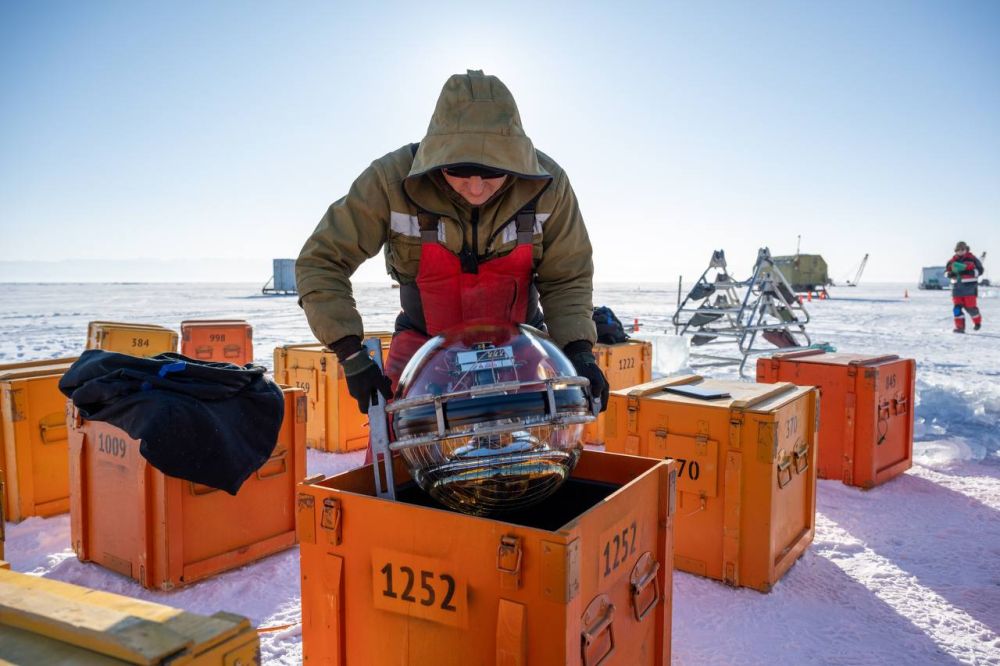
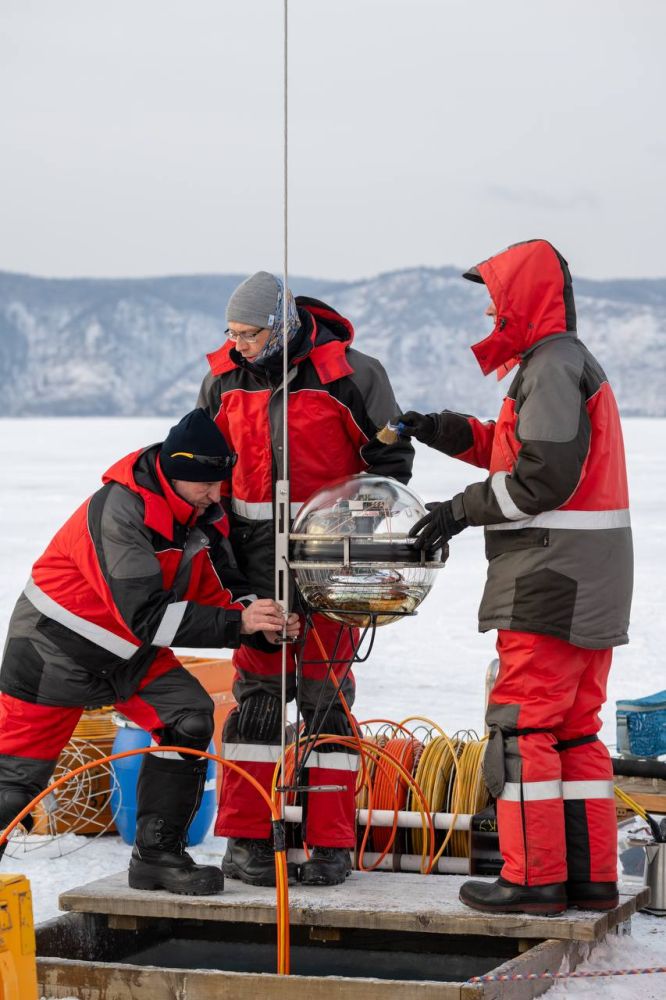
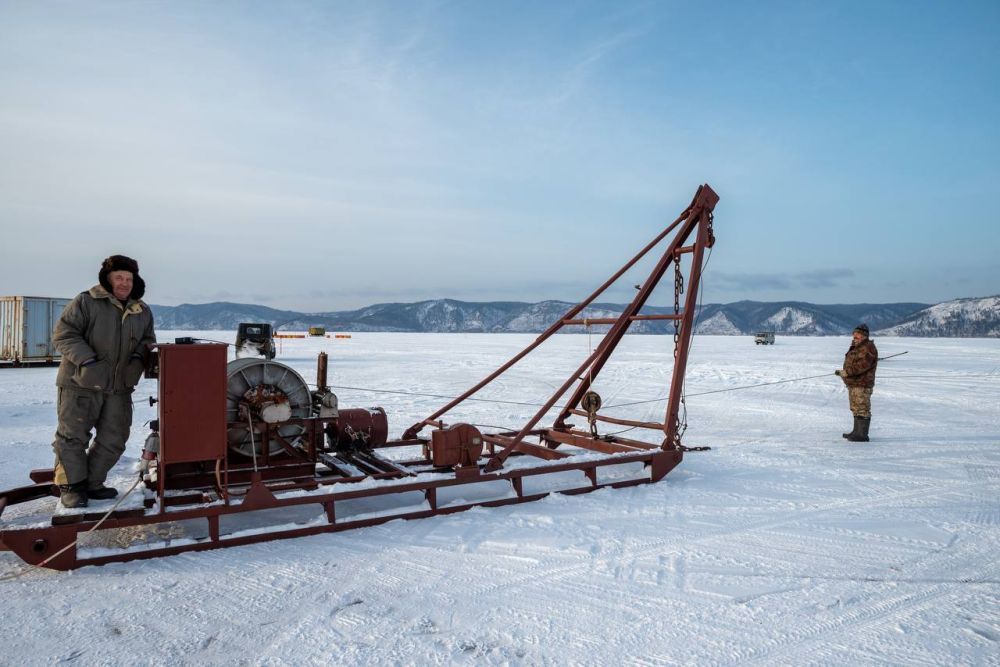
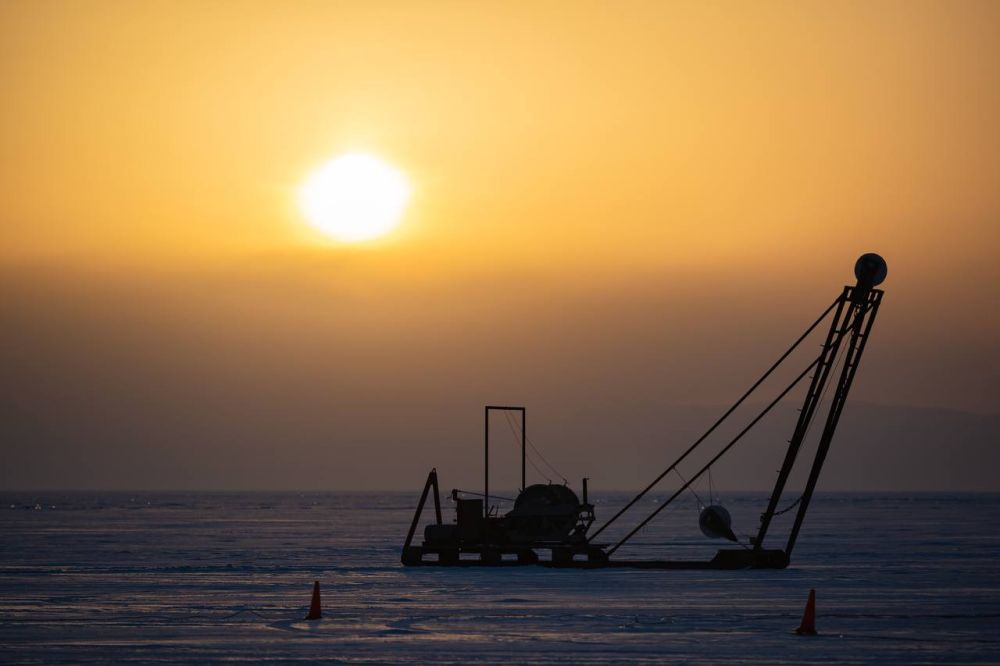
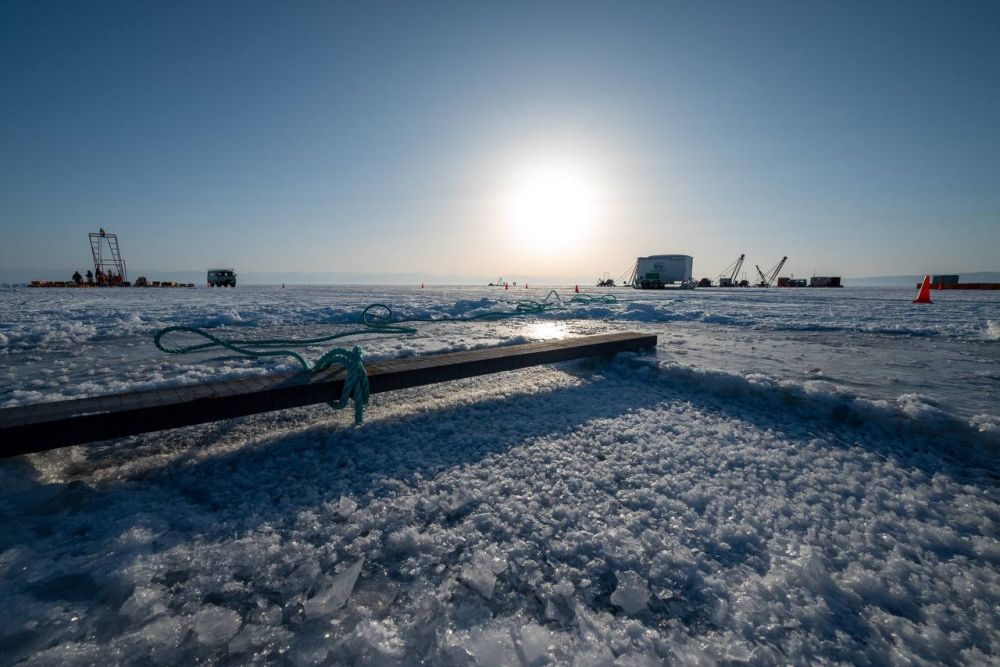
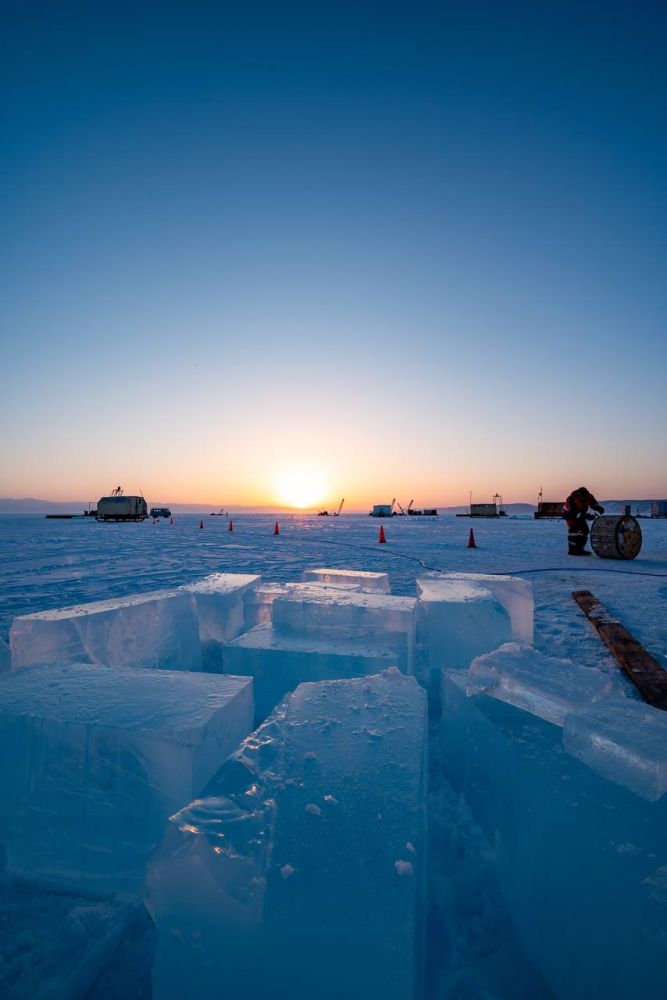
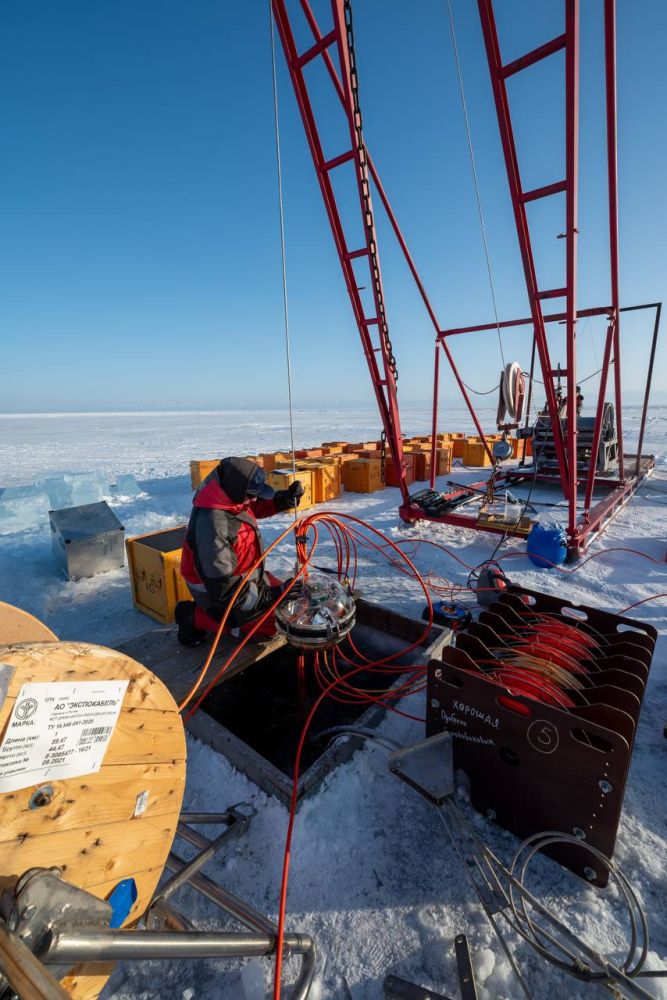
The international Baikal-GVD Collaboration is constructing the neutrino telescope in Lake Baikal. The arrays of light-sensitive elements, housed in optical modules, detect Cherenkov light produced by charged particles in the lake water while travelling with the speed exceeding the speed of light in water. These particles could originate from interactions of neutrinos in water or in the bedrock. The energy and direction of original neutrinos are reconstructed from the amount of Cherenkov photons and time of their detection by single light-sensitive elements. The telescope is capable of investigating cosmic neutrinos and identifying their sources, searching for neutrinos from dark matter annihilation, and other rare phenomena. The scientific programme of the project is focused on solving fundamental problems of astrophysics and elementary particle physics: identification of astrophysical sources of ultrahigh-energy neutrinos, revelation of mechanisms of formation and evolution of galaxies, etc. In particular, one of the short-range goals is mapping the high-energy neutrino sky in the Southern Hemisphere, including the region of the Galactic Centre. Other topics include the indirect search for dark matter by detecting neutrinos produced in WIMP annihilations in the Sun or in the Earth’s interior. The Baikal-GVD will also search for exotic particles, such as magnetic monopoles, supersymmetric Q-balls, or nuclearites. The Baikal-GVD, the unique neutrino telescope, is one of the JINR basic facilities.
Expected results
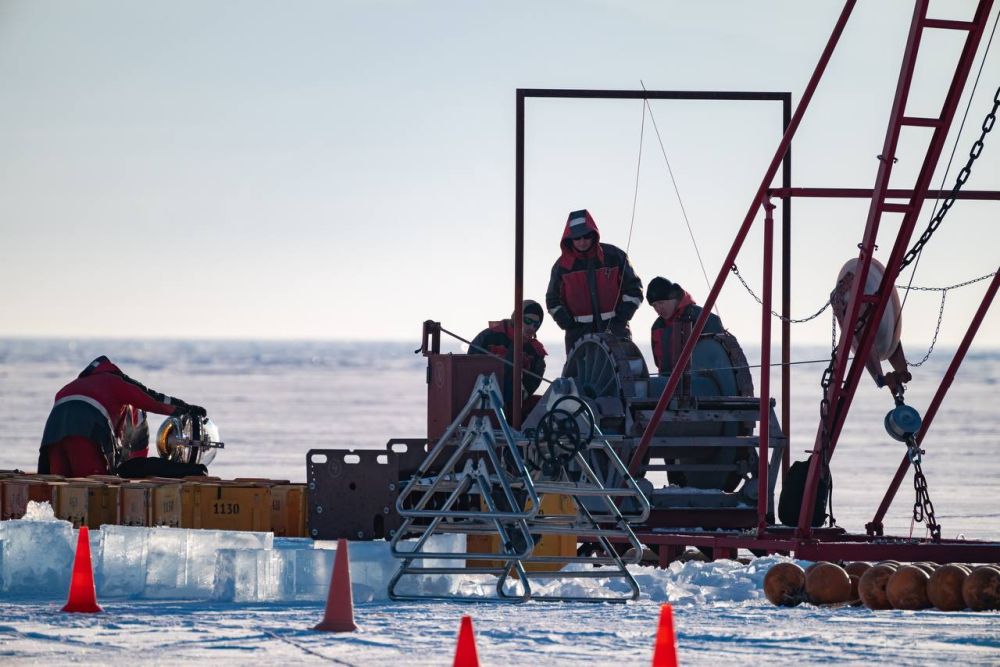
Construction of a deep-underwater neutrino telescope on a scale of 1 $km^3$ in Lake Baikal.
Study of high-energy neutrino fluxes from space, search for hypothetical particles – magnetic monopoles, as well as particles – candidates for dark matter. A large detection volume, in combination with a high angular and energy resolution and also with moderate background conditions typical of fresh water, makes it possible to effectively study the diffusive neutrino flux and fluxes from individual astrophysical objects with constant and variable luminosity.