RUS | ENG
Joint Institute for Nuclear Research

Basic facilities of the JINR Laboratory of Nuclear Problems
The JINR Laboratory of Nuclear Problems possesses a unique research experimental base, which includes:

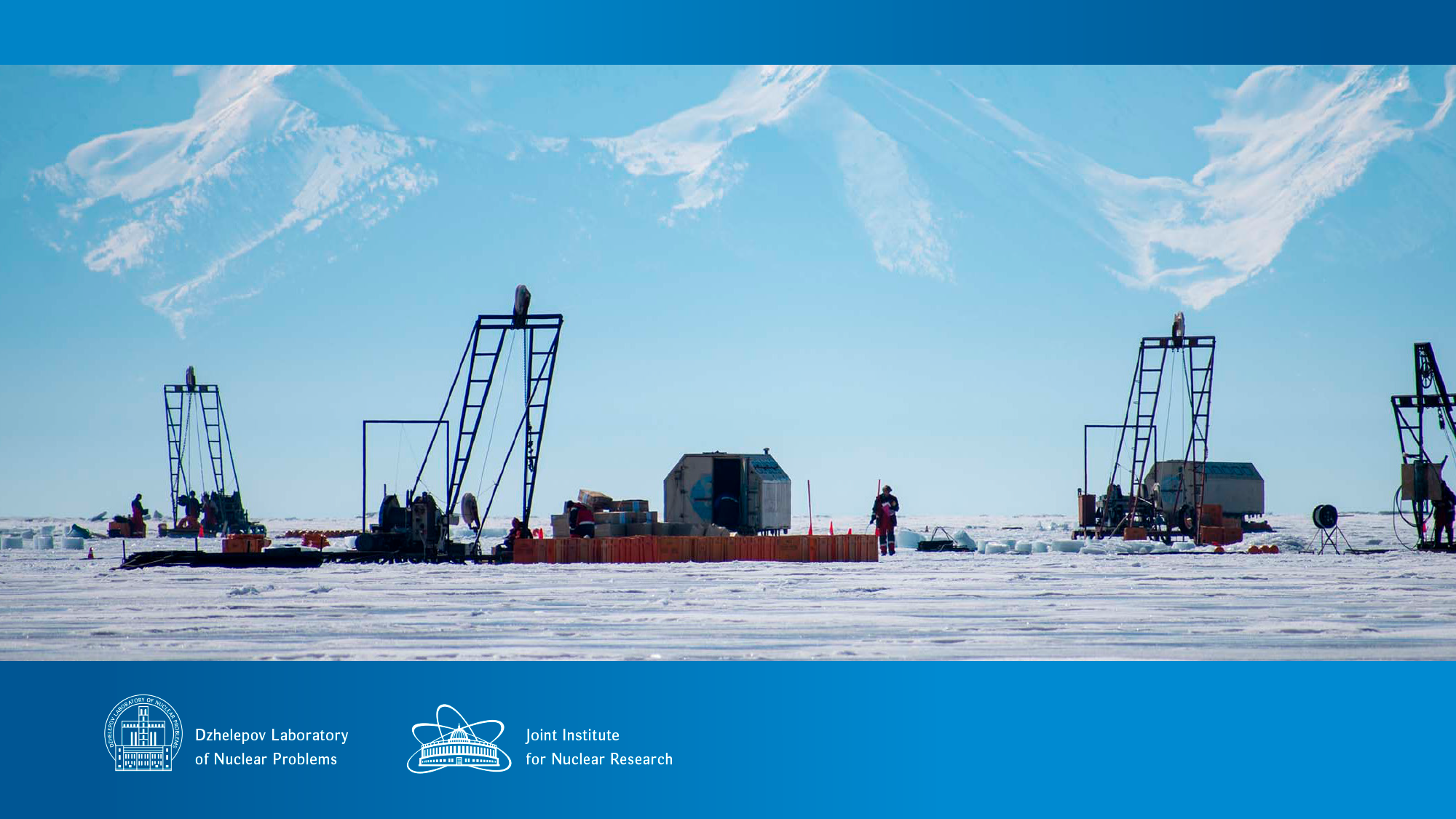
The Baikal-GVD neutrino telescope is designed to detect and study ultra-high-energy neutrino fluxes from astrophysical sources.

The neutrino detector is located in Lake Baikal, 3,6 km from the shore and at a depth of 1300 m. This unique scientific facility is an important tool for multi-messenger astronomy, a new advanced method of studying the Universe. Baikal-GVD is one of three active neutrino telescopes in the world and is a part of the Global Neutrino Network (GNN), along with the IceCube telescope at the South Pole and KM3NeT in the Mediterranean Sea.

The Baikal-GVD telescope is the largest in the Northern Hemisphere and the second largest in the world. To this date, 13 clusters have been commissioned, located 250-300 m apart. Since 10 April 2024, they have been operating in data-taking mode. Each cluster is an independent detector consisting of 8 vertical strings, on which optical modules are installed (36 on each string). According to the project plan, the volume of the facility is expected to reach approximately one cubic kilometer by 2027/2028. Currently, the underwater structure of the facility contains just over 4100 photodetectors.
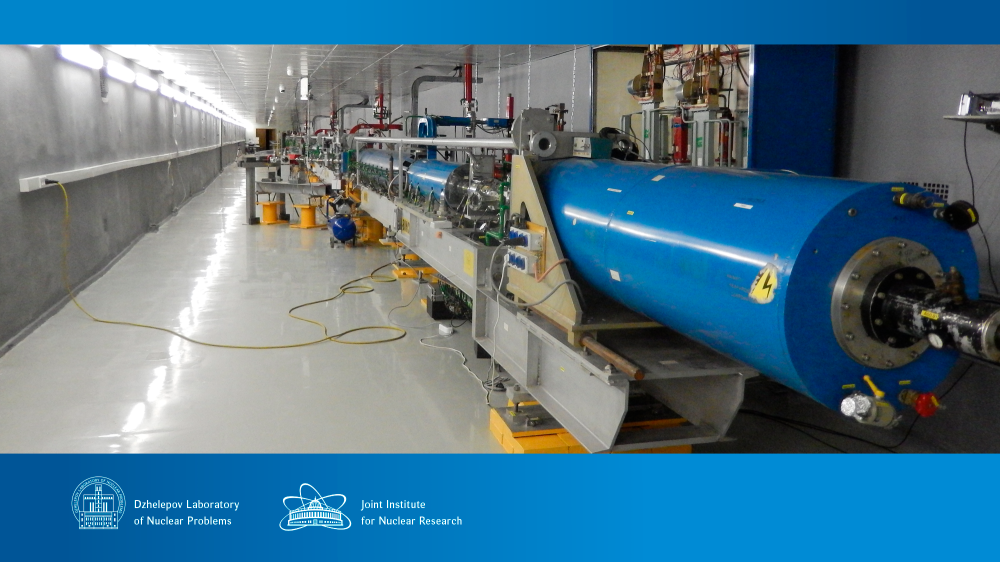
LINAC linear accelerator (the first phase of the facility for 200 MeV) is a facility designed to provide test electron beams to carry out particle detector R&D; for scientific and methodological work on the search for advanced methods and the creation of equipment for electron beam diagnostics; for applied research in the field of materials science, radiobiology and radiochemistry; for conducting experiments in the field of nuclear physics; and for educational projects. The accelerator produces an electron beam with an energy range from 5 to 200 MeV and intensity from few to $5 \cdot 10^{11}$ electrons per pulse. Currently the accelerator is in the commissioning phase. Upon completion of this stage, the accelerator will be put into trial operation and will become available to users. An organizing and program committee has been established to review applications and allocate beam time.
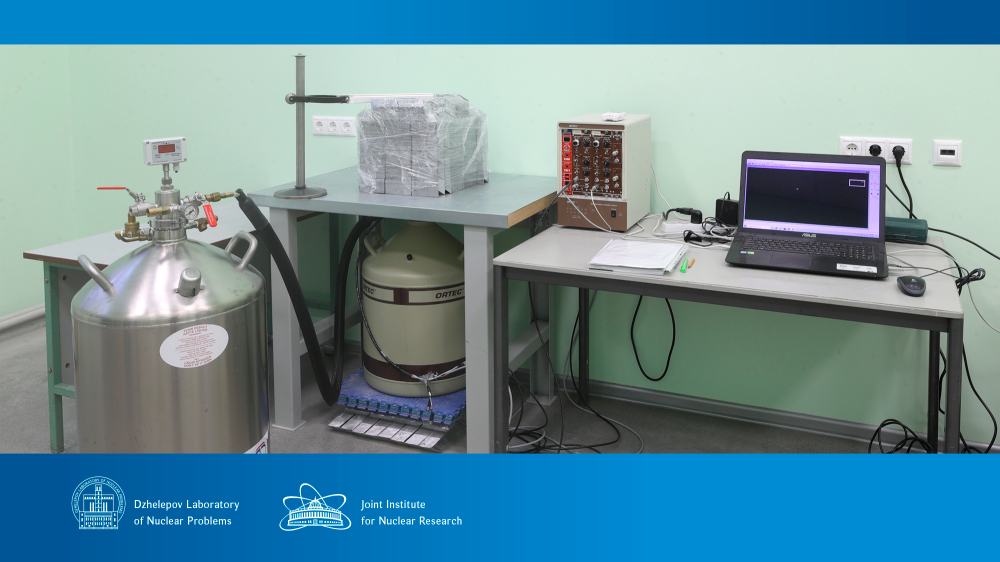
The Department of Nuclear Spectroscopy and Radiochemistry of the Dzhelepov Laboratory of Nuclear Problems of JINR invites the colleagues to conduct nuclear-spectroscopic research. Not all of our detectors are constantly in use, that is why we offer you our spare equipment for measurements within your projects.