

News
22.08.2021
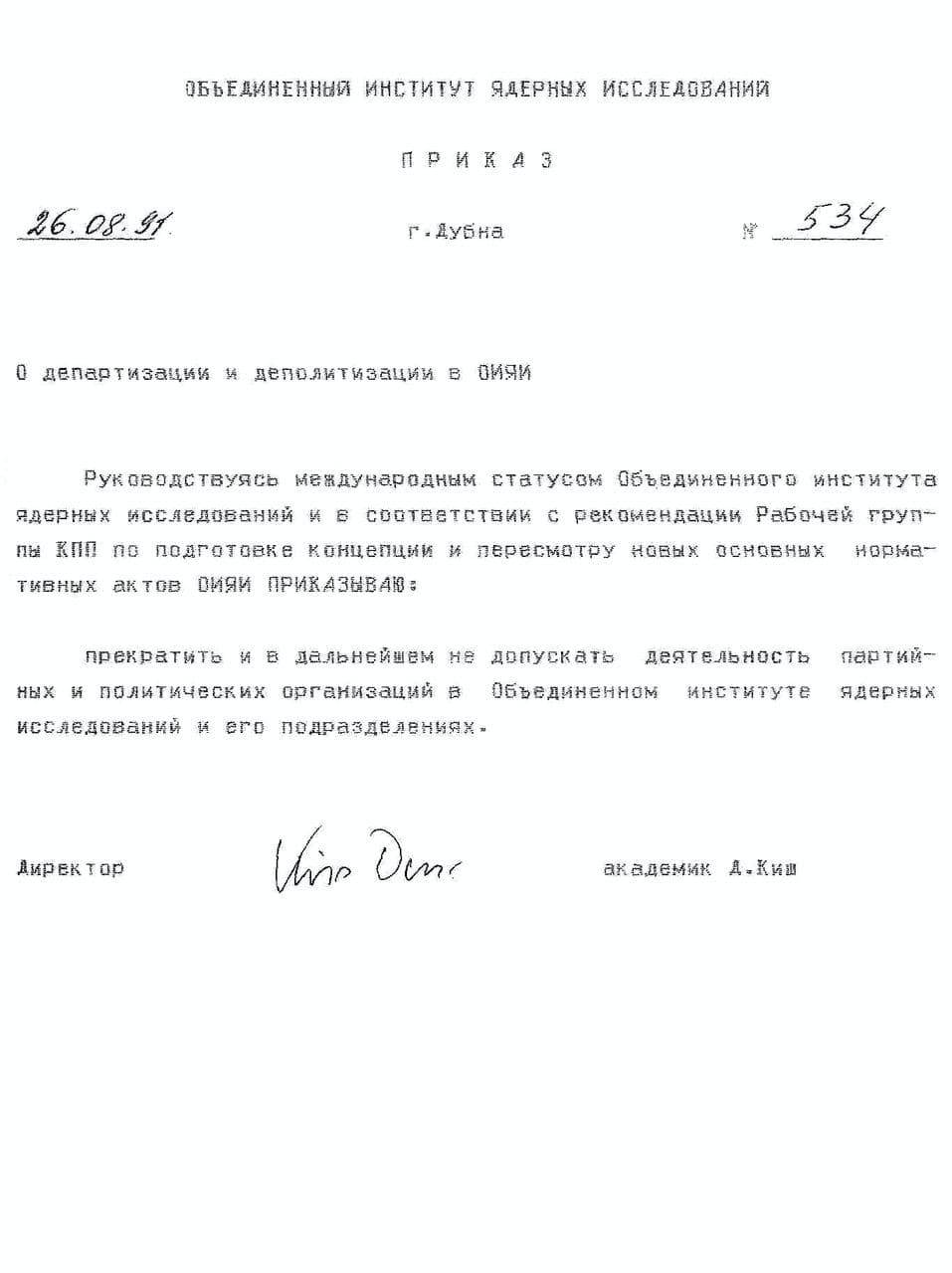
Exactly 30 years ago, on 26 August 1991, an Order on departization and depoliticization was issued at JINR according to which any activities of party or political organizations at our Institute were prohibited. Georgy Alexandrovich Chelkov reminded us of it.
22.08.2021
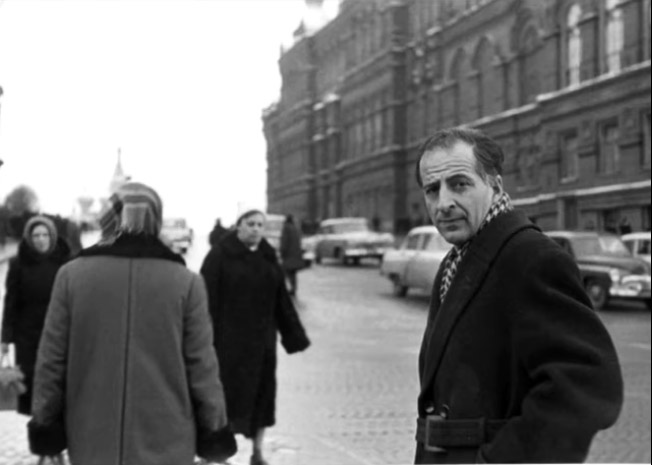
Today, on 22 August, it is the 108th birthday of Bruno Maximovich Pontecorvo, a renowned Italian and Soviet scientist whose ideas and visions anticipated discoveries later recognized by Nobel Prizes. For instance, Pontecorvo’s idea, proposed as far back as 1957, that neutrinos change their type with time according to a periodical law was confirmed. At present, this phenomenon is known as neutrino oscillations. And the Nobel Prize for experimental discovery of neutrino oscillations was awarded only in 2015.

19.08.2021
Twelve employees of the Dzhelepov Laboratory of Nuclear Problems received certificates on development of vocational competence and on the programme of the vocational training “Numerical Control Machine Tool Programmer” at the Dubna State University. We wish our colleagues new professional achievements!
12.08.2021
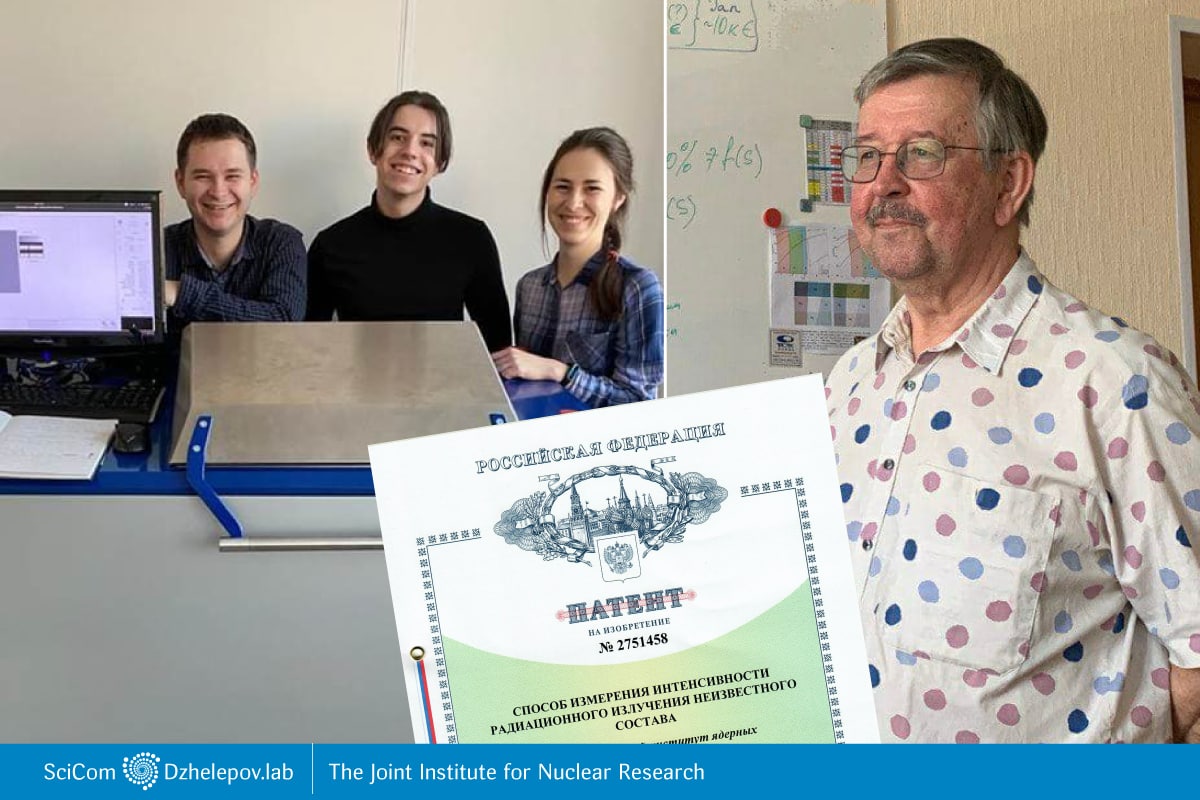
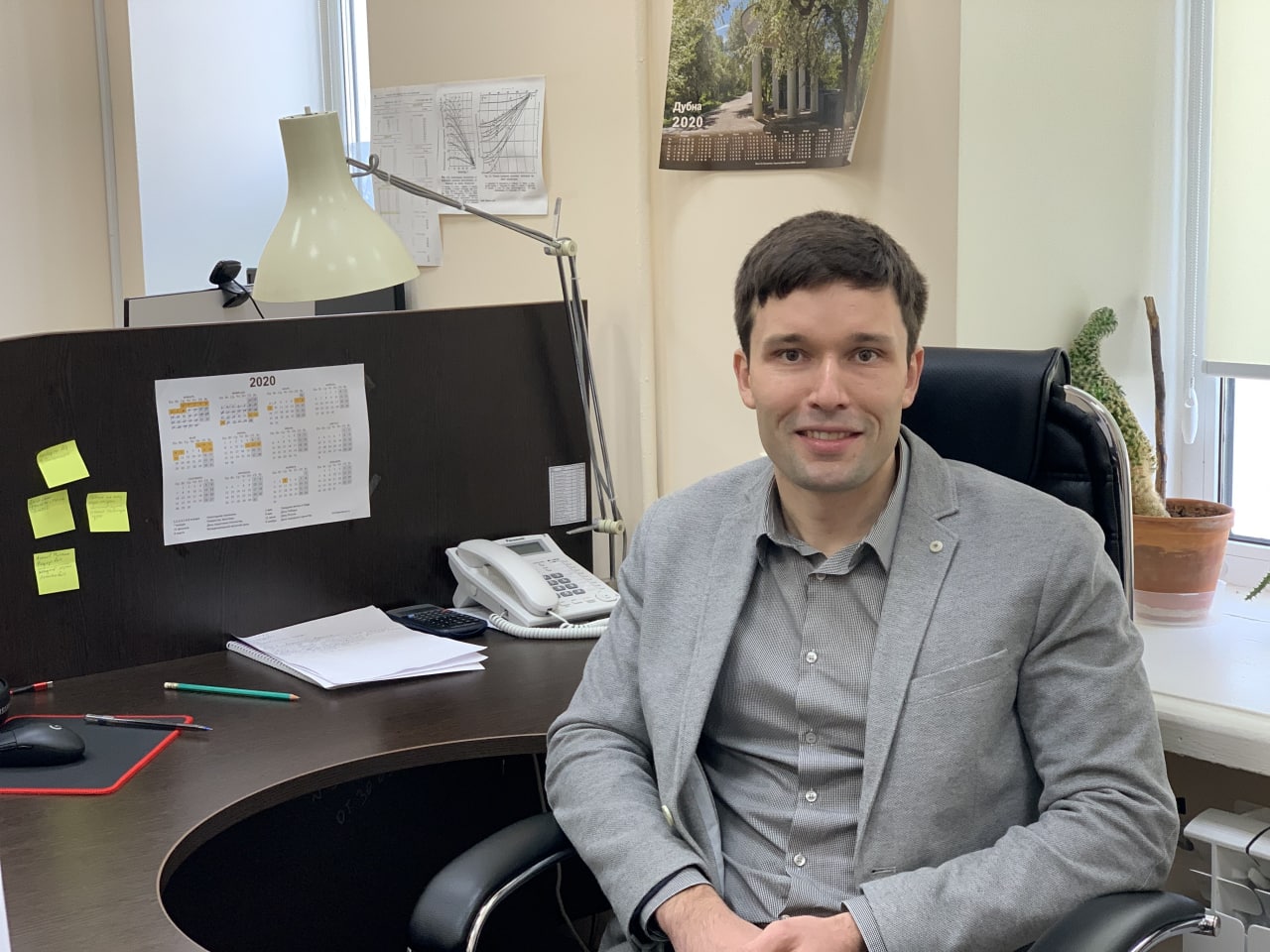
On 14 July 2021, the Joint Institute for Nuclear Research received a patent for the invention “A method for measuring the intensity of radiation of unidentified composition”. The Group of Scientific Communication talked to Georgy Alexandrovich Chelkov, a leading researcher of the DLNP Experimental Department of Colliding Beams and one of the patent authors.
11.08.2021
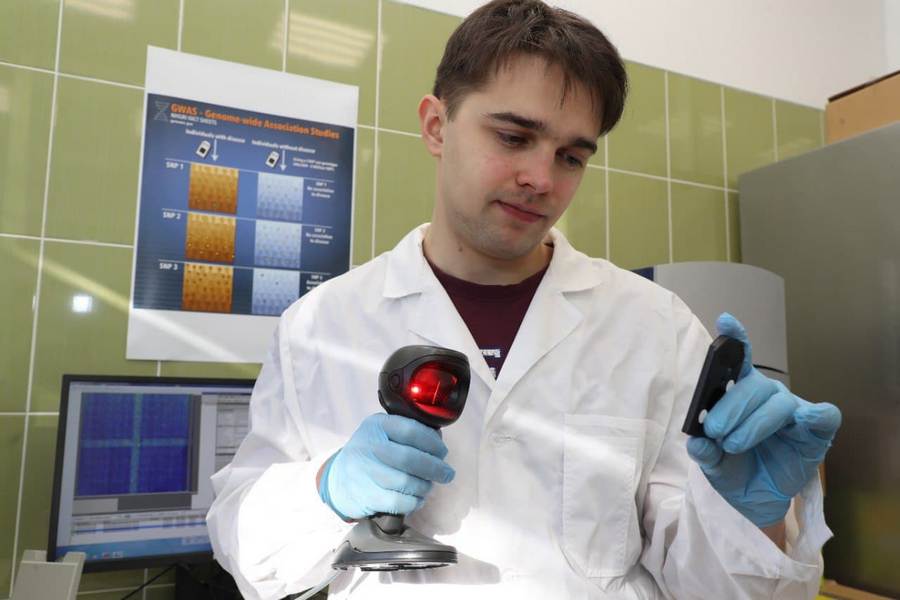
The lecture “About allergy, longevity and SNP” will be given by Anastasia Rusakovich (DLNP Sector of Molecular Genetics of the Cell) at GEEK PICNIC 2021, an International Festival of Science and Technology. Anastasia will talk about two systems elaborated by our geneticists for determining predisposition to allergic diseases and human longevity.
11.08.2021
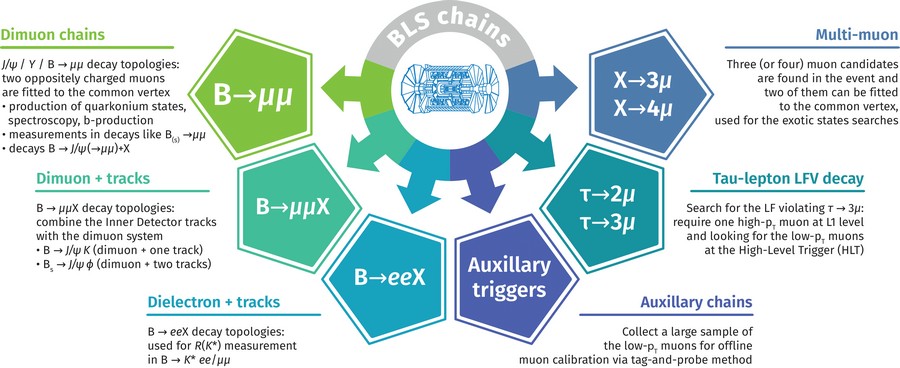
On 22 June 2021, at the regular 55th session of the JINR Programme Advisory Committee on particle physics, a report of the group of scientists from the Dzhelepov Laboratory of Nuclear Problems involved in development of a software trigger for the detector of the ATLAS experiment was given. The DLNP Group of Scientific Communication talked to the trigger group coordinator Vladimir Lyubushkin, Candidate of Physics and Mathematics, a senior researcher of the Laboratory, about this facility and current results.
11.08.2021
For the first time in Russia, biological investigations into the effect of a low radiation background on complex model organisms have been carried out under the unique conditions of the low-background laboratory of the Baksan Neutrino Observatory (INR, RAS). The model was the fruit fly Drosophila melanogaster, a classic object for genetic research. The experiment showed that the low radiation background did not produce any effect on this model organism.
07.08.2021
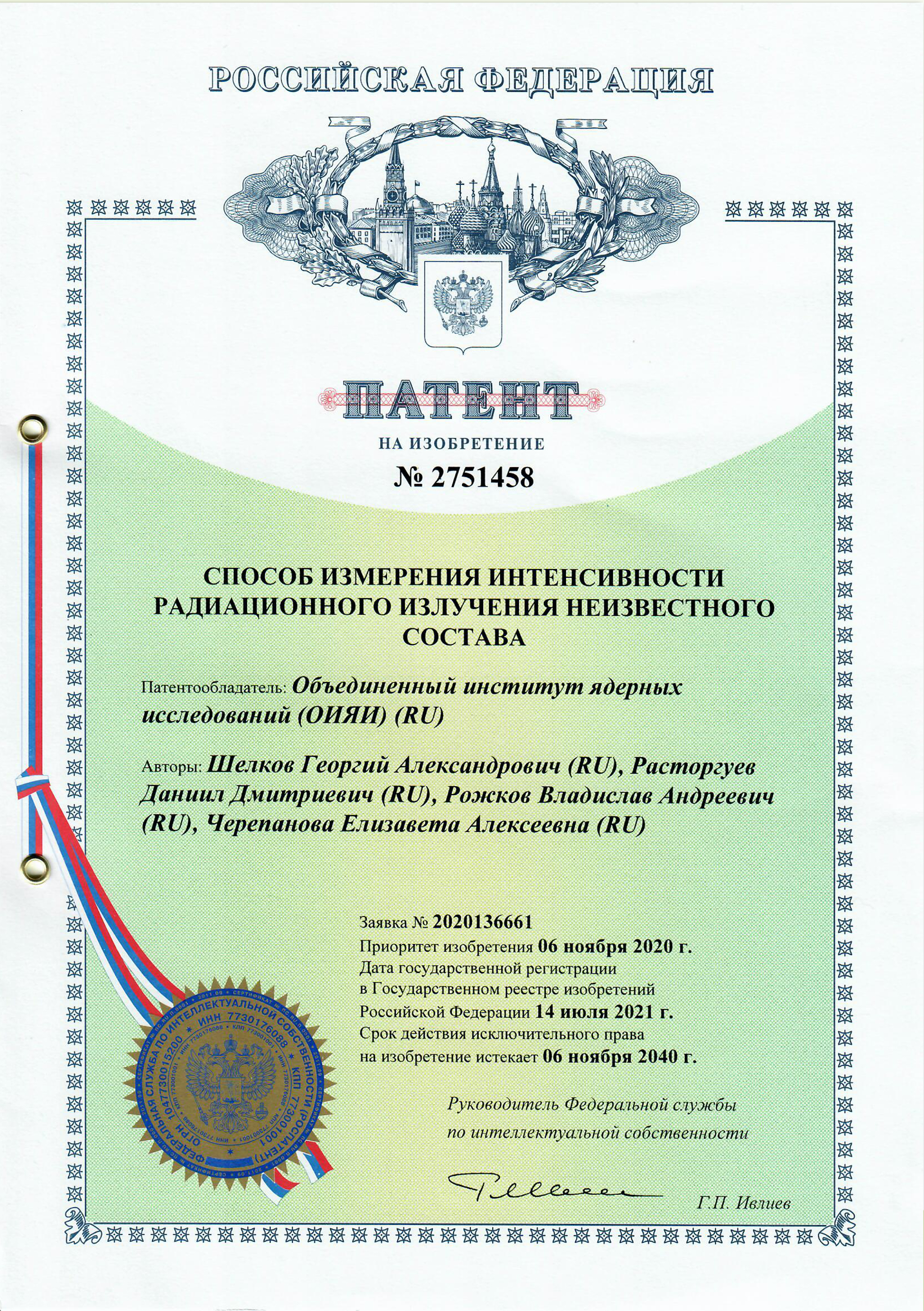
The JINR Department of Licenses and Intellectual Property announces that on 14 July 2021, the Joint Institute for Nuclear Research received a patent for the invention “Method for measuring the intensity of radiation of unidentified composition”. The authors are Georgy Alexandrovich Chelkov, Daniil Dmitrievich Rastorguev, Vladislav Andreevich Rozhkov and Elizaveta Alekseevna Cherepanova.
07.08.2021
The Russian Science Foundation (RSF) has announced the winners of the 2021 Grant Competition “Initiative research performed by young scientists” of the Presidential Programme of RSF research projects. The Competition is aimed at supporting early-career scientists under the age of 33 who have defended their candidate dissertations.
One of the winners is a researcher of the DLNP Sector of Low Temperatures, Candidate of Technical Sciences, Anton Dolzhikov, with his project “Study of heat exchange in a He-3/He-4 dilution cryostat used for reaching ultra-low temperatures (below 30 mK): experiments, development of the calculated model and optimization of configuration”.
06.08.2021
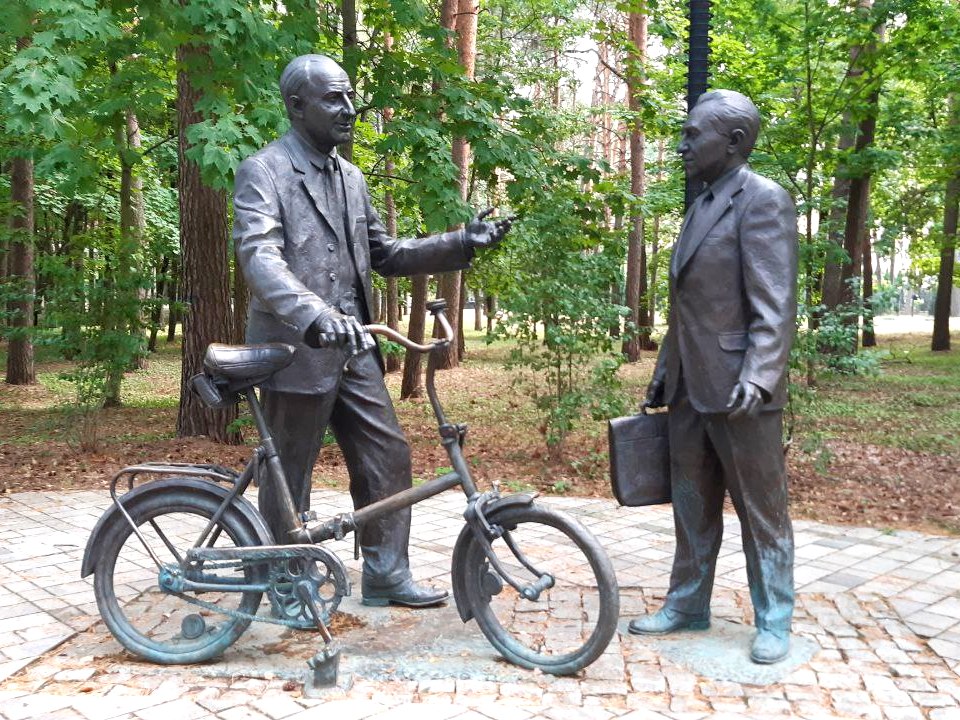
Bruno Maksimovich Pontecorvo was an avid cyclist and knew how to ride a bike both with no hands and sitting hind-foremost. It is how he was pictured on the caricature by Mikhail Bilenky, the son of a close friend of Bruno Pontecorvo, Samoil Mihelevich Bilenky. This friendly caricature, as well as bronze statues near the Culture Centre “Mir”, depicts the academician with a “Kama” bicycle. And in the photograph from the archive of the Museum-Study of the scientist, Bruno Maksimovich is standing near the bicycle which resembles the “Lastochka” model.

02.08.2021
Dear colleagues,A new position has been opened:
Position for master's students, PhD students and postdocs in the DUNE project
All job opportunities are available on our website in the About us / Careers section.
28.07.2021
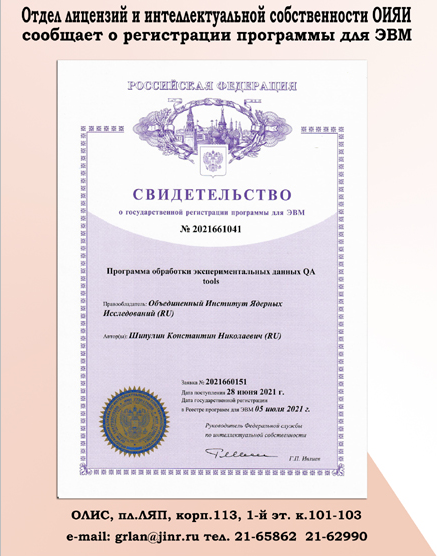
The JINR Department of Licenses and Intellectual Property announces that on 28 June 2021 the Joint Institute for Nuclear Research got a Certificate of State Registration of the software program “Experimental data processing program QA tools” authored by Konstantin Nikolaevich Shipulin.