

News
03.05.2020
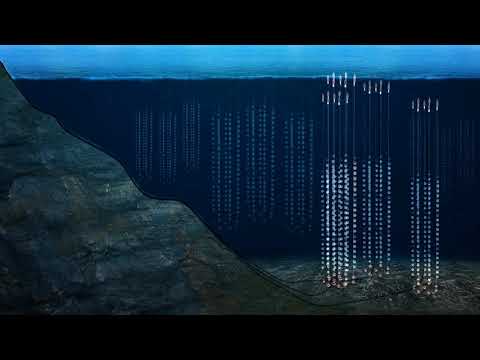
An animated video of the Baikal Neutrino Telescope assembly. Imaging by Yegor Shevchik and Semen Gursky, the sound by Mikhail Zhukov.
01.05.2020
Here you can find the educational film “Life, Its Purpose and… Science” after the idea of Doctor of Physics and Mathematics Vadim Aleksandrovich Bednyakov. The film script is written on the basis of the article by Vadim Aleksandrovich published in the JINR weekly newspaper “DUBNA: Science, Community, Progress” #34-35 on August 31, 2017.
20.04.2020
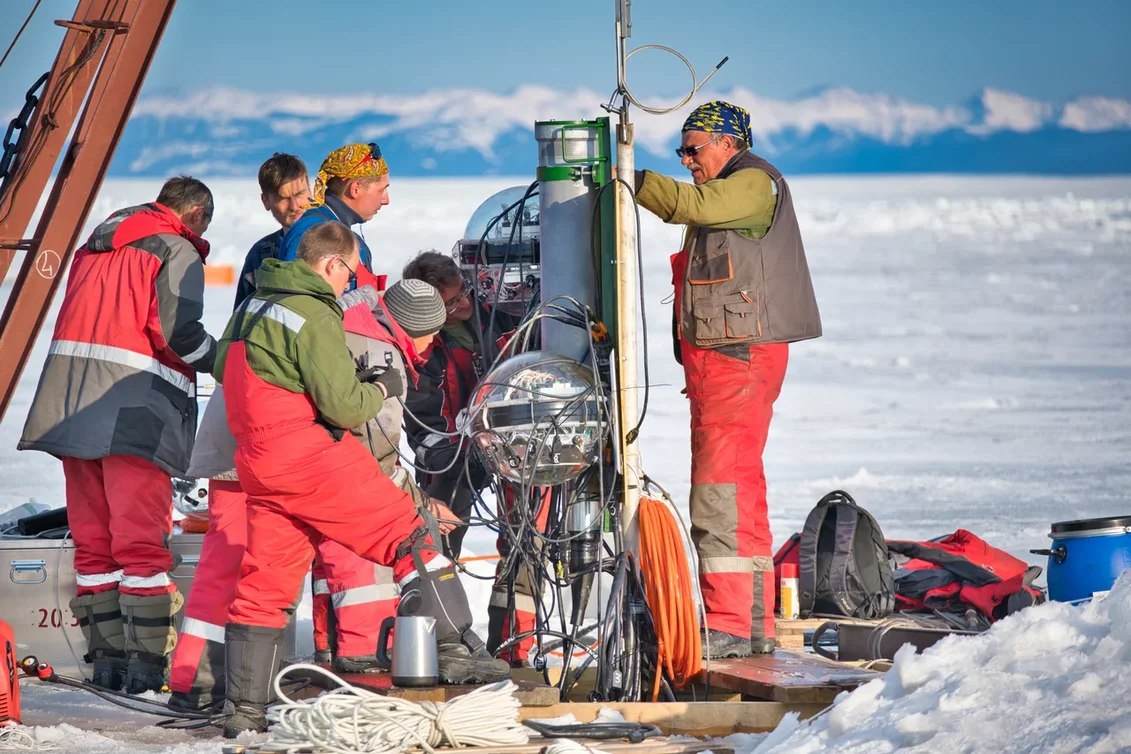
From 17 February to 10 April, two new clusters of optical modules were installed, the sixth and the seventh out of twelve. The effective volume of the facility expanded up to 0.35 km3.
The Baikal-GVD Neutrino Telescope is designed for detecting and studying high-energy neutrino fluxes from astrophysical sources. Scientists plan to explore the processes of an enormous energy release that took place in the Universe long ago. One of the riddles in contemporary astrophysics is the mechanism of production of the neutrinos milliard times more energetic than solar neutrinos. And the Baikal Neutrino Telescope, due to its exceptional characteristics, can shed light on this mystery.
12.04.2020
We continue our Time Travel project and invite you along with the “Pervy Kanal” TV channel to leap into 2016 and recognize there some familiar faces.
09.04.2020
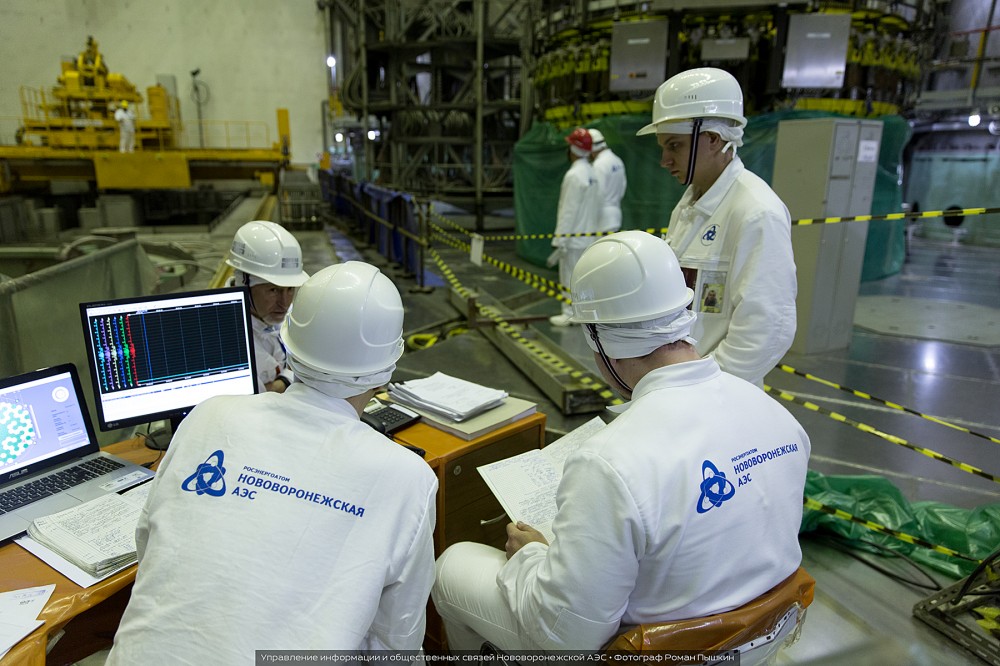
Neutrino experiments at nuclear power plants are among the promising directions in particle physics. They do not require a great budget, and can solve topical experimental problems from these in astrophysics to those in applied research. Nuclear reactors have long been used for studying neutrinos, and they still remain the most powerful electron antineutrino sources on the Earth. Nuclear reactors made it possible to experimentally detect neutrinos themselves, prove solar neutrino oscillations, and discover the electron-to-tau neutrino oscillations. Recently, studies of coherent elastic neutrino scattering off nuclei have been of great interest.
07.04.2020
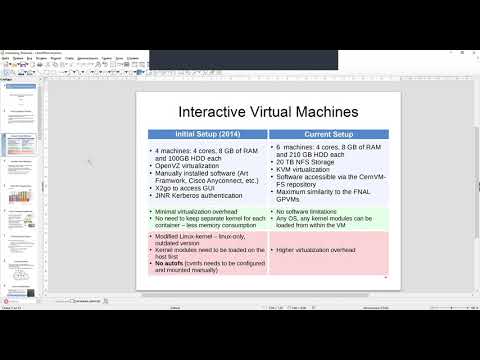
NOvA and DUNE are large-scale neutrino experiments requiring immense computational power to process the obtained data. To expand the computational capabilities of NOvA and to support the DUNE experiment, a computing infrastructure was created at LIT. Now, it is being developed within Topic 1099, “The Study of Neutrino Oscillations”.

02.04.2020
Last week, you could find a lot of articles on the Net with tips from psychologists on how to correctly organize your life in a closed space, to effectively use your time, to adopt a new work format and how to keep your mental wellness. Work from home is a new experience, and no wonder that some of us feel really overwhelmed. We gathered the best pieces of advice from experts and put together the TOP 11 simple rules. Following them, we can learn to appreciate pleasant moments of our life and fully enjoy them even now.
1. Schedule your day. Our brain loves routines. They help us navigate through everyday life. Changes confuse our brain. That is why keeping even a part of your morning habits, you will be more focused on your objectives and able to control your attention. Remember intermitting your productive work every 25 minutes by ten-minute breaks. Some of us can relax playing with their cat, walking a dog, cooking lunch or cleaning the floor. Maybe, you would like to listen to a podcast, an audio book, music or to do ten push-ups.
23.03.2020
The past impacts the present right to the extent a person let it. If a person believes the past determines his/her present, the impact of the past becomes significant. If a person believes the past does non affect him/her in any way, his/her present does not depend on the past. Until there is no connection between the past and the present, a person does not feel the impact of the history. Creating the history, a person changes his/her perception of the reality. The present linked with the past becomes wealthier, more compelling and mindful. And since we have to practice social distancing, let us sometimes merge into our past making our present more complex, meaningful and valuable. We are going to start our journey in 2014.
23.03.2020
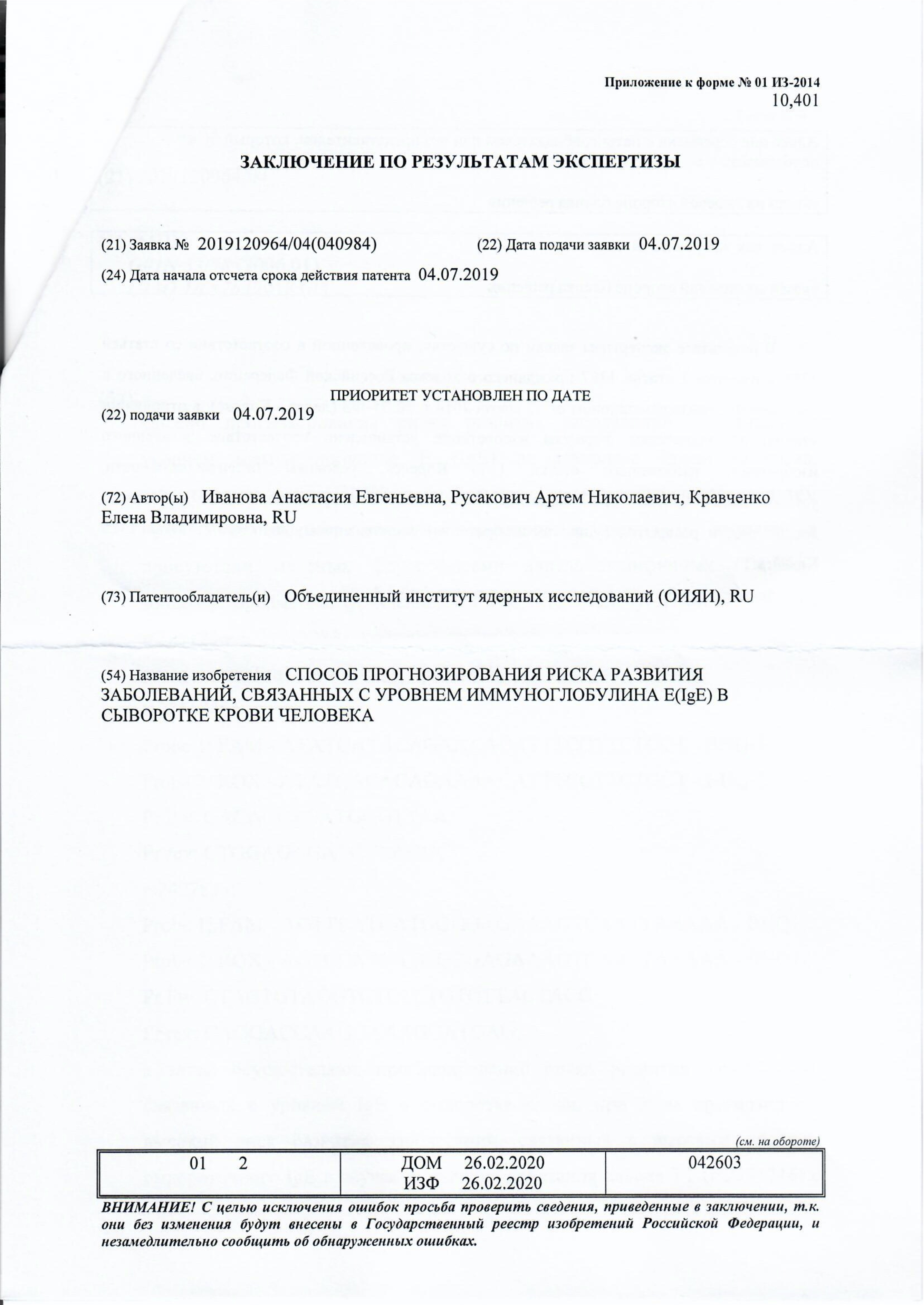
Congratulations to the team of our biologists, Elena Vladimirovna Kravchenko, Artyom Nikolayevich Rusakovich and Anastasiya Yevgenyevna Ivanova, on obtaining the Patent for Invention “Risk Prediction Method for Disorders Related to the E (IgE) Immunoglobulin Level in the Human Blood Serum”! We heartily wish you to reach new heights and to find inspiration for further innovative ideas!
20.03.2020
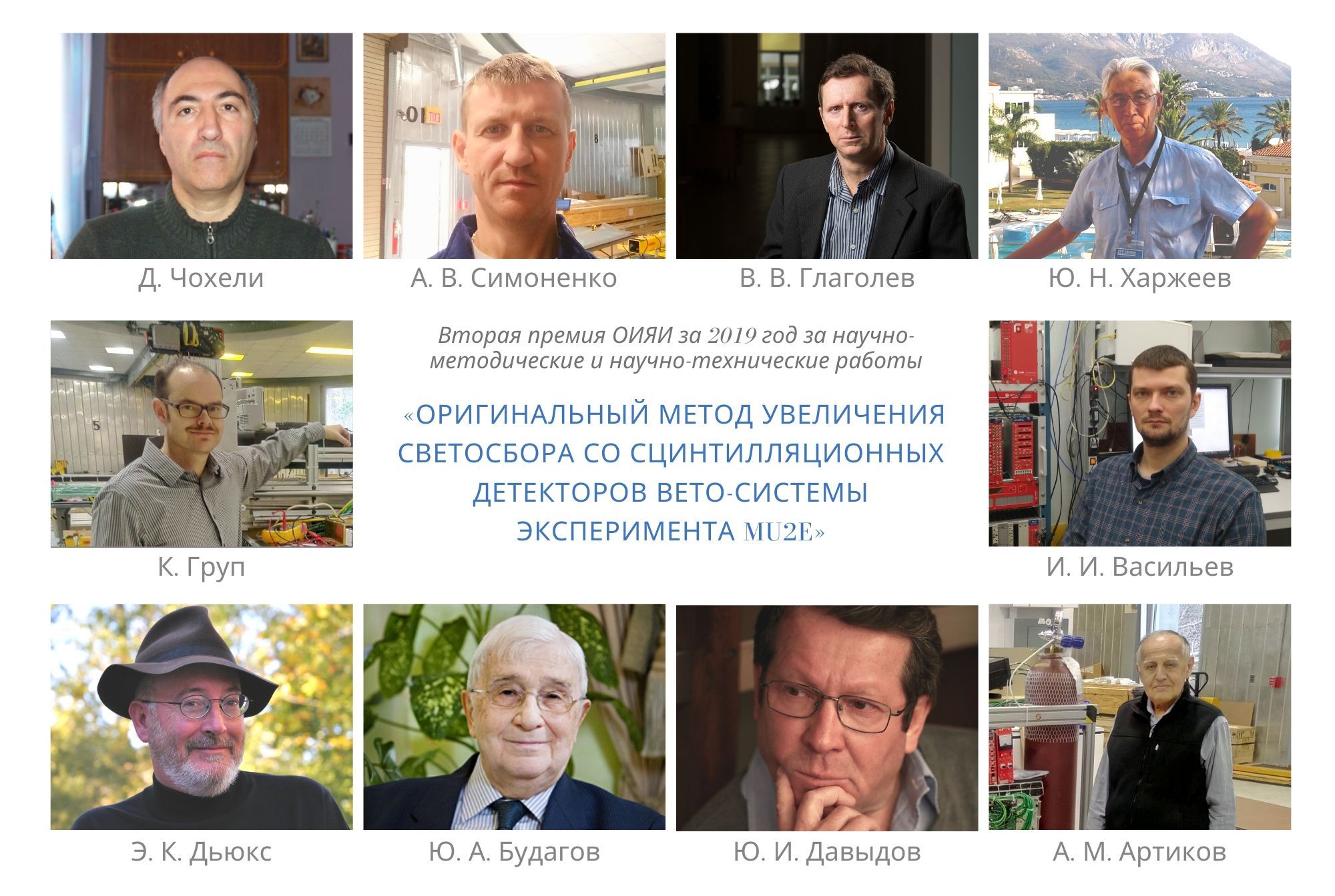
The Second JINR Prize 2019 for "Methodological and Technological Research Work" was awarded to the scientists from the Mu2e experiment for “Innovative method for increasing light collection from scintillation detectors of the Mu2e veto system” according to the decision of the JINR Scientific Council within its 127th session. The members of the Mu2e group are A.M. Artikov, Yu.A. Budagov, I.I. Vasilyev, V.V. Glagolev, Yu.I. Davydov, A.V. Simonenko, Yu.N. Kharzheev, D. Chokheli, E. K. Dyuks, K. Grup.
19.03.2020
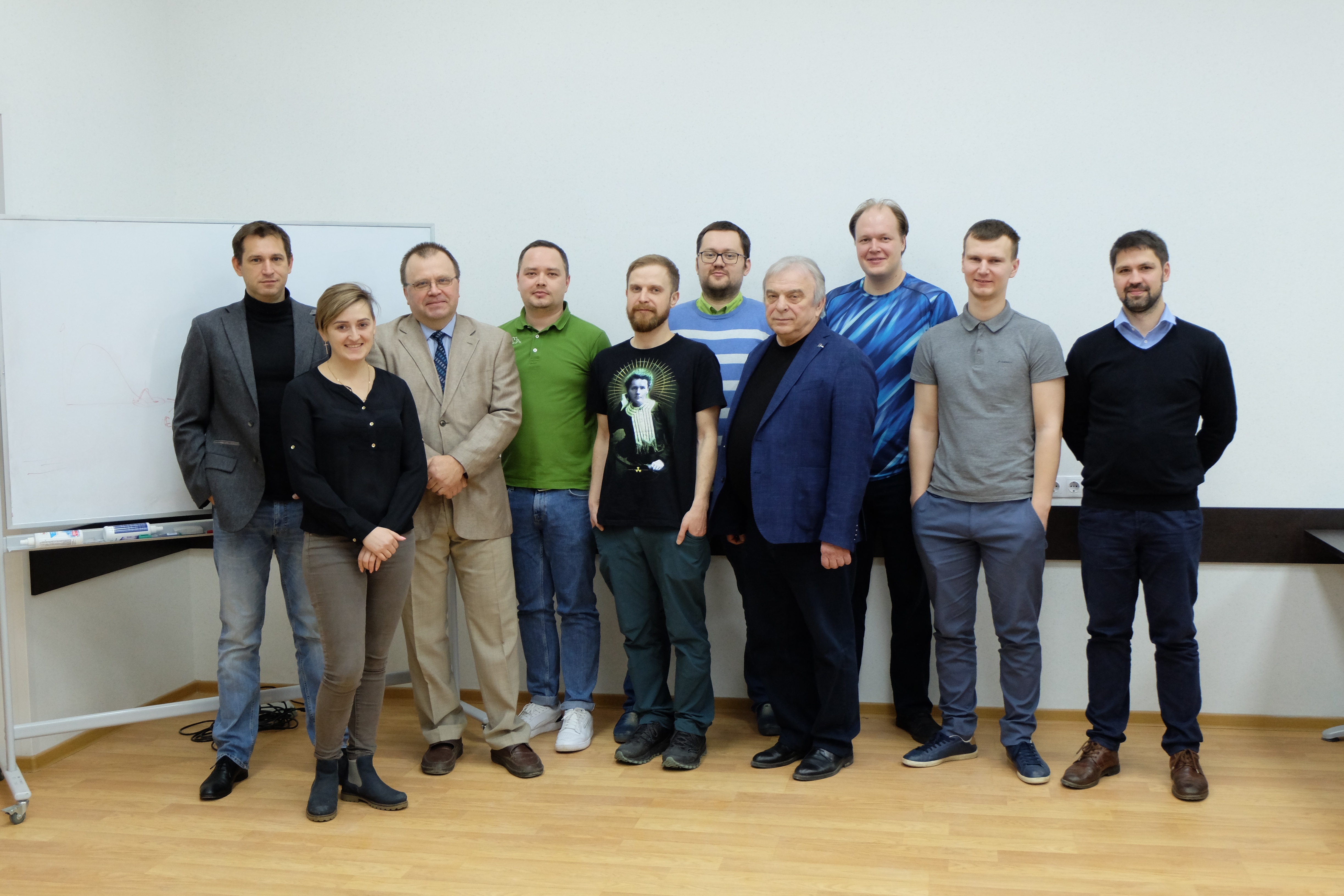
At the 127th session of the JINR Scientific Council, annual JINR Prizes were awarded for the best scientific, methodological and technological applied research projects in 2019. Within the category “Experimental Research Work”, the DLNP scientists from the DANSS group received the First Prize for “Measurements of reactor antineutrino energy spectra in the DANSS project”. The members of the DANSS group are V.V. Belov, V.B. Brudanin, I.V. Zhitnikov, S.V. Kazartsev, A.S. Kuznetsov, D.V. Medvedev, M.V. Fomina, Ye.A. Shevchik, M.V. Shirchenko, Yu.A. Shitov.
19.03.2020
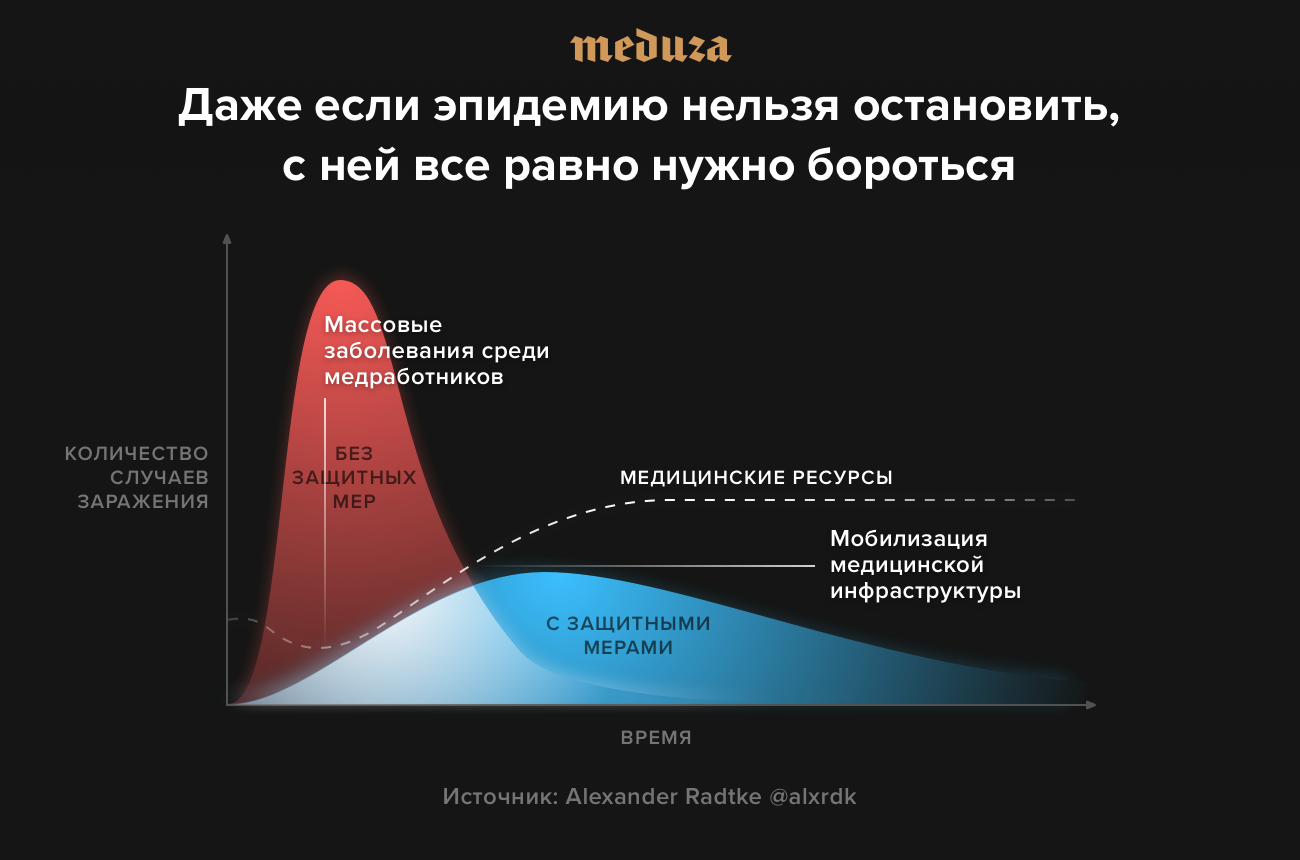
Some of us still seem to refuse to heed public health warnings about the COVID-19 pandemic. The DLNP Directorate has been answering repeated questions for the last few days. In this article, we are going to explain all the measures taken by now and, thus, answer your questions in an appropriate way. At the end of our article you can find several links to the web sites where the spread of the coronavirus is described and demonstrated in detail (animated simulations and graphs) how the strategy of “social distancing” (avoiding public spaces and quarantine) helps flatten the exponential curve and why it is good.